FIFA World Cup 2026 spans 48 nations and 104 matches across the USA, Canada, and Mexico (FIFA). Canada is hosting at two venues: BC Place in Vancouver and BMO Field in Toronto. If you've already committed to flying across the world for the football, you're closer than you might think to one of the great natural landscapes on earth.
Jasper National Park covers 10,878 sq km of UNESCO World Heritage landscape and drew approximately 2.48 million visitors in 2023 (Parks Canada). It's roughly 800 km east of Vancouver and about 4 hours from Edmonton airport. June and July, when the World Cup matches fall, happen to be the best months of the year to visit. The rivers are running high, the days stretch to nearly 17 hours, and every major summer experience is fully operational.
Summary: World Cup 2026 + Canadian Rockies
FIFA World Cup 2026 features 104 matches across three host countries, with Canada's venues at BC Place (Vancouver) and BMO Field (Toronto) running June through July 2026. Jasper is roughly 8.5 hours east of Vancouver by road, or accessible via a 1.5-hour flight to Edmonton followed by a 4-hour drive. From Toronto, fly to Calgary (~4 hours) and drive the Icefields Parkway north to Jasper (~4.5 hours). Jasper drew 2.48 million visitors in 2023 (Parks Canada) and July is peak season. Book rafting, accommodation, and cruises well ahead.
Why World Cup Visitors Should Add the Canadian Rockies

Jasper National Park recorded approximately 2.48 million visitors in 2023, and summer numbers climb every year (Parks Canada, 2023). Most international fans attending the World Cup will have blocks of 3 to 5 days between fixtures. That is exactly enough time to get a genuine sense of the Rockies. June and July, when the group stage and knockouts fall, are the best months to visit.
We've been operating whitewater rafting tours in Jasper since 1971. Every summer, guests arrive from dozens of countries experiencing the Rockies for the first time. The reaction is consistent: they understood intellectually that this place existed, but didn't fully understand what it meant until they were standing inside it. The scale isn't communicated by photographs. Mountains in every direction, glaciers within an hour's drive, rivers cold enough to take your breath away. It requires presence.
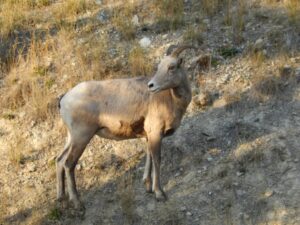
Jasper National Park covers 10,878 sq km and has been a UNESCO World Heritage Site since 1984, part of the Canadian Rocky Mountain Parks designation. The park supports over 69 mammal species (Parks Canada), and summer visits in June and July coincide with peak wildlife activity, peak river levels, and nearly 17 hours of daylight near the solstice (Natural Resources Canada).
If you're going to be in Canada anyway, why would you leave without seeing the Rockies?
Getting to Jasper from World Cup Host Cities
Jasper sits at a natural junction point that makes it accessible from both Canadian World Cup cities without adding unreasonable travel complexity. The Icefields Parkway, which National Geographic named one of the most scenic drives in the world, connects Jasper to Calgary and everything south of it (National Geographic). Both routing options from Vancouver and Toronto are straightforward.
From Vancouver (BC Place)
Vancouver is the most geographically convenient World Cup city for a Rockies extension. The drive from Vancouver to Jasper takes approximately 8.5 to 9 hours via the Trans-Canada Highway east through the Fraser Canyon, then the Yellowhead Highway (Highway 16) west into Jasper. The Fraser Canyon section alone through Hell's Gate is one of the most dramatic highway corridors in North America. It's a long drive, but it's not a boring one.
A faster option for those prioritising time: fly from Vancouver to Edmonton International Airport in about 1.5 hours (typical carriers), rent a car, and drive the final 4 hours to Jasper. Door-to-door under 6 hours on this route. For fans with a tight window between fixtures, this is the practical choice.
The Rocky Mountaineer also operates scenic rail journeys from Vancouver through to Jasper via the Passage to the Peaks route, launching specifically for the 2026 season. It's a multi-day journey, so it suits fans who want to build the rail trip into their Canada itinerary rather than rush between fixtures. Worth planning around if your schedule allows.
From Toronto (BMO Field)
Toronto is further from the Rockies, but the connection is clean. Fly from Toronto Pearson to Calgary International (approximately 4 hours, multiple daily departures), then drive north on the Icefields Parkway through Banff to Jasper in about 4.5 hours. That drive northbound through Banff National Park is itself one of Canada's signature experiences. The 230 km Icefields Parkway between Lake Louise and Jasper is the centrepiece, and doing it on the way to or from the airport is the natural framing for a Toronto visitor's Rocky Mountain leg.
Combining Both Host Cities
For fans with fixtures in Vancouver and Toronto, the classic routing is Vancouver, then the Rockies (Jasper and Banff), then Calgary, then Toronto. This follows the logical west-to-east geography of Canada, covers both of the country's most-visited national parks, and ends with a short domestic flight east. Alternatively, Toronto first, then Calgary, then the Rockies, then Vancouver works equally well for fans whose final week is in BC.
What to Do in Jasper in June and July: World Cup Season
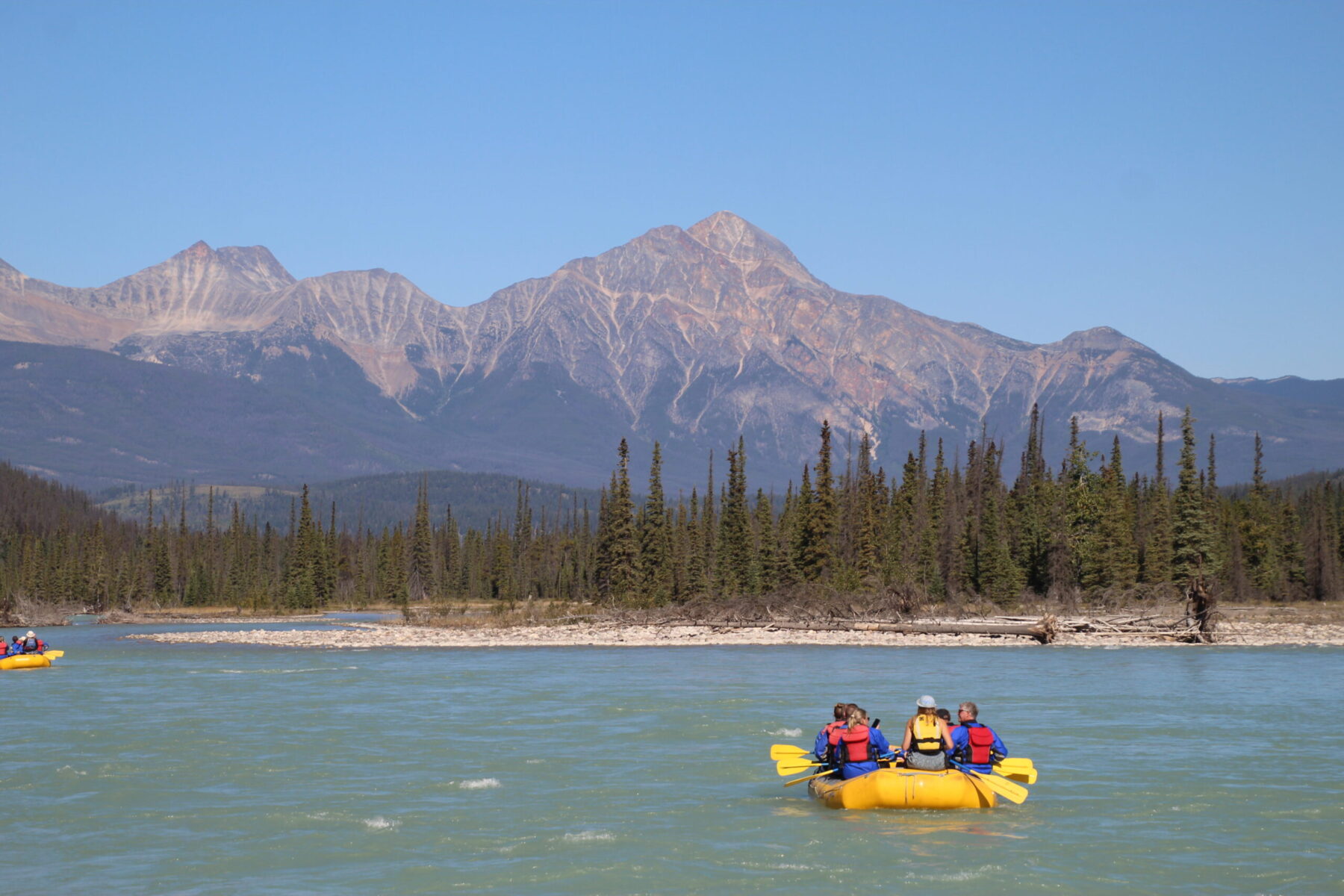
Jasper averages a July high of approximately 22°C (Environment Canada), with nearly 17 hours of daylight near the summer solstice (Natural Resources Canada). That's a lot of time to fill with extraordinary experiences. These are glacially fed rivers, which means conditions stay strong right through the season — perfect timing for World Cup visitors arriving in June and July. Here is what's running during World Cup season.
Whitewater Rafting
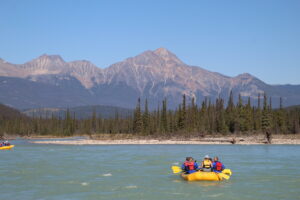
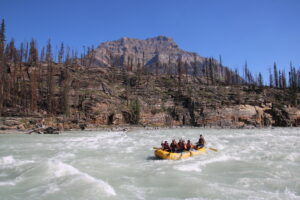
We run two Class II options on the Athabasca River from May through September: the Athabasca Mile 5 (age 5+, roughly 1 hour on the water, family-friendly) and the Athabasca Falls canyon run (age 6+, 12 km through a limestone canyon). No prior rafting experience is required. Our Sunwapta River Class III trips (minimum age 12) deliver 9 km of continuous whitewater and are equally popular with international visitors looking for a genuine wilderness adventure. All trips depart from the Jasper townsite.
For World Cup visitors who want to tell the story of paddling a glacial river through a UNESCO World Heritage Site the week they were in Canada for the football, this is the activity. Call us at (780) 852-7238 or book online at whitewaterraftingjasper.com. Reserve ahead for July dates, they fill up fast.
Maligne Lake Spirit Island Cruise
Maligne Lake is the largest natural lake in the Canadian Rockies. Spirit Island, accessible only by the 90-minute boat cruise, is arguably the most photographed location in Canada. The turquoise water, the small island, and the surrounding peaks produce an image that most international visitors recognise before they've stood in front of it. Book the cruise before you arrive. It sells out in July.
Columbia Icefield Glacier Walk
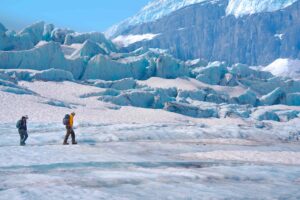
The Athabasca Glacier sits within the Columbia Icefield, which covers approximately 325 sq km and is the largest icefield south of Alaska (Parks Canada). You can walk on the glacier's surface with crampons on a guided tour, no technical climbing experience required. Walking on glacial ice that's been retreating measurably over recent decades is one of those encounters with geography that stays with you. The Icefield Discovery Centre is 103 km south of Jasper on the Icefields Parkway.
The Icefields Parkway runs 230 km between Lake Louise and Jasper through Banff and Jasper National Parks. National Geographic has called it one of the most scenic drives in the world. The route passes the Columbia Icefield (~325 sq km), multiple glacial lakes, hanging valleys, and consistently draws photographers, wildlife watchers, and first-time visitors who stop roughly every 15 minutes.
Icefields Parkway Drive
If you're driving between Jasper and Banff or between Jasper and Calgary, do it on the Icefields Parkway. The 230-kilometre route is lined with glaciers, turquoise lakes, and mountain peaks at a density that even veterans of Alpine Europe regularly describe as extraordinary. Allow a full day if you're stopping at the major viewpoints. Don't rush it.
A Sample 3-Day Canadian Rockies Itinerary for World Cup Visitors
Three days between World Cup fixtures is enough to get a real sense of the Canadian Rockies. Jasper's 3-day Jasper itinerary covers this in more detail, but here's the broad framing for an international visitor arriving directly into Jasper.
Day 1: Arrive in Jasper, Explore, Raft
Drive or take the train to Jasper. Check in to your accommodation. Walk the townsite and the Athabasca River bank before an afternoon rafting trip. Dinner at the Jasper Brewing Company on Connaught Drive. Evening: walk to the edge of town for a first look at the night sky in the world's largest Dark Sky Preserve. Nearly 17 hours of daylight near the solstice means a late sunset, and the sky after that is remarkable.
Day 2: Maligne Lake and Canyon
Depart early for Maligne Lake Road. It's the best wildlife corridor in the park and morning sightings of bears, elk, and moose are common. Jasper supports over 69 mammal species (Parks Canada), and this road is where you're most likely to encounter them. Spirit Island boat cruise at Maligne Lake. Stop at Maligne Canyon on the return for the interpretive trail through the 55-metre-deep limestone gorge. Evening wildlife drive at dusk.
Day 3: Icefields Parkway South toward Banff or Calgary
Depart Jasper heading south on the Icefields Parkway toward Banff or Calgary for your onward journey. Stop at Athabasca Falls (30 km south), Sunwapta Falls (55 km south), and the Columbia Icefield Discovery Centre (103 km south). Continue south through Banff to Calgary, or stop in Banff overnight before the airport the following day.
Booking Ahead: What World Cup Visitors Need to Know
FIFA World Cup 2026 features 48 nations and 104 matches, meaning Canada will see a significant spike in international visitors on top of what is already the busiest season for the Rockies (FIFA). Jasper accommodation, rafting trips, Maligne Lake cruises, and campground sites will all be under more pressure than a typical July. Our honest advice: if you know your World Cup fixture schedule, sort your Jasper bookings at the same time. Don't arrive in Alberta hoping to walk onto a popular tour in July 2026.
- Accommodation in Jasper: Book as early as possible. Fairmont Jasper Park Lodge, the Crimson Hotel, and most independent properties in the townsite will have limited availability by late spring for July dates. Whistlers Campground is a solid option if hotels are full, bookable through Parks Canada at reservation.pc.gc.ca.
- Rafting: Call us at (780) 852-7238 or book online at whitewaterraftingjasper.com. July dates fill weeks ahead in a normal year. Book early.
- Maligne Lake Spirit Island Cruise: Book directly with the Maligne Lake company as soon as your dates are confirmed.
- Columbia Icefield Glacier Adventure: Book through the Pursuit website. Daily capacity is limited and summer dates sell out.
- Parks Canada pass: Purchase online at parks.canada.ca before you arrive. It covers parking at every attraction in both Jasper and Banff National Parks.
The Rocky Mountaineer: A World Cup-Specific Option
Rocky Mountaineer's Passage to the Peaks route connects Vancouver and Jasper specifically for the 2026 season, launching this year. The multi-day rail journey follows the CN corridor through the Interior of BC and into the heart of the Rockies, arriving in Jasper with mountain views in every window. For international visitors who want to experience both the Pacific Coast and the Rockies without driving, this is a genuinely distinctive way to link Vancouver to Jasper. It's not a fast option, but it's the most scenic one on the market. Check rockymountaineer.com for 2026 schedule and pricing.
Rocky Mountaineer launched the Passage to the Peaks route for the 2026 season, offering a scenic multi-day rail journey between Vancouver and Jasper via the CN rail corridor through BC's Interior. Vancouver to Edmonton flights run approximately 1.5 hours (typical carriers), and Edmonton to Jasper is roughly 4 hours by road, making the Edmonton air connection the fastest door-to-door option from Vancouver for time-pressed World Cup visitors.
Frequently Asked Questions: World Cup 2026 and the Canadian Rockies
Where is the 2026 FIFA World Cup being held in Canada?
Canada is hosting 2026 FIFA World Cup matches at BC Place in Vancouver and BMO Field in Toronto. Group stage and knockout round matches run through June and July 2026. FIFA World Cup 2026 spans 48 nations and 104 matches across the USA, Canada, and Mexico. Jasper is accessible from both host cities: approximately 8.5 hours by road from Vancouver (or fly to Edmonton in 1.5 hours then drive 4 hours), and a 4-hour flight plus a 4.5-hour drive from Toronto via Calgary.
How far is Jasper National Park from Vancouver?
Approximately 800 km east by road, about 8.5 to 9 hours of driving. The fastest option for World Cup visitors is to fly Vancouver to Edmonton (approximately 1.5 hours) and drive the remaining 4 hours to Jasper. The Rocky Mountaineer's Passage to the Peaks route offers a multi-day scenic rail option from Vancouver to Jasper, launching for the 2026 season.
What is the weather like in Jasper in June and July?
June and July are peak summer season in Jasper. Average daytime temperatures reach approximately 22°C in the townsite (Environment Canada). Days are extremely long, nearly 17 hours of daylight at the summer solstice (Natural Resources Canada). Both rivers are glacially fed and run strong throughout the summer season — conditions are excellent for whitewater rafting from May through September.
Can you do whitewater rafting in Jasper in July?
Yes. Our Athabasca River trips (Class II, minimum age 5) and Sunwapta River trips (Class III, minimum age 12) run May through September. No prior experience required. July is one of our busiest months and 2026 World Cup traffic will make spots even more competitive — book ahead. Call (780) 852-7238 or visit whitewaterraftingjasper.com.
Is Jasper worth visiting if I only have 3 days?
Yes. Three days is enough to raft the Athabasca River, cruise to Spirit Island, drive through the Columbia Icefield, and cover Maligne Canyon. You won't see everything, but you'll see enough to understand why Jasper National Park drew 2.48 million visitors in 2023 (Parks Canada). See our 3-day Jasper itinerary for the full breakdown. And check the best time to visit Jasper guide for seasonal context.